10 At-Home Wellness Tips from a Bucks County Chiropractor
*By Dr. Tony Gardner, Owner — Fairless Hills Chiropractic, Serving Morrisville, PA and Bucks County*
---
You don't have to be in pain to benefit from chiropractic wisdom. Over the years, I've watched patients make small changes at home that completely transformed how they feel — less stiffness in the morning, fewer headaches by afternoon, and real relief from the kind of nagging back pain that used to follow them everywhere.
These tips are the same ones I share with my patients right here in Morrisville and across Bucks County. Bookmark this page, share it with a friend, and start with just one or two. Small, consistent changes add up fast.
---
1. Start Your Morning with a 5-Minute Spinal Wake-Up Routine
Your spine has been relatively still for six to eight hours. Jumping straight out of bed and into your day without warming up is a recipe for stiffness and strain.
**Try this before your feet hit the floor:**
- **Knee-to-chest stretch:** Lie on your back, pull one knee gently toward your chest, hold 20–30 seconds, switch sides. This releases tension in the lower lumbar region.
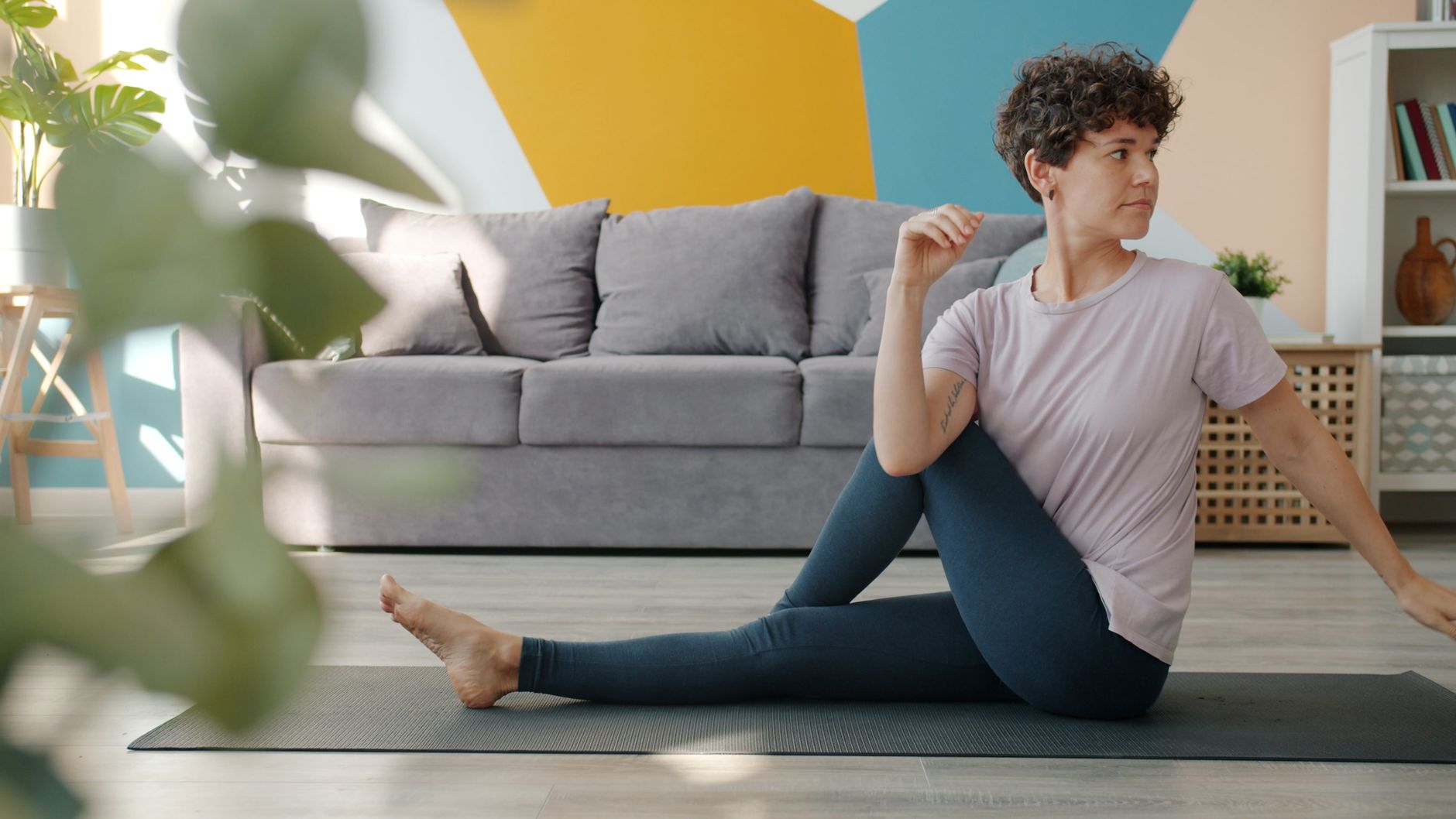
- **Supine spinal twist:** Lying on your back, drop both knees to one side while keeping your shoulders flat. Hold 20 seconds each side. Great for thoracic mobility.
- **Cat-Cow stretch:** On all fours, alternate arching your back toward the ceiling (cat) and letting it sag toward the floor (cow). Do 8–10 slow repetitions. This gently mobilizes every segment of your spine.
These three moves take less than five minutes and make a noticeable difference in how your body moves for the rest of the day.
---
2. Fix Your Desk Setup Before It Fixes You
I see it constantly in my Bucks County practice — patients who spend eight or more hours a day at a desk and wonder why their neck, shoulders, and lower back are screaming. The culprit is almost always ergonomics.
**Ergonomic desk checklist:**
- **Monitor height:** The top of your screen should be at or just below eye level. If you're looking down at a laptop all day, get a stand and use a separate keyboard.
- **Chair height:** Your feet should rest flat on the floor (or a footrest), with knees at roughly 90 degrees.
- **Lower back support:** Your chair should support the natural inward curve of your lumbar spine. A rolled towel or lumbar cushion works if your chair doesn't.
- **Keyboard and mouse:** Keep them close enough that your elbows stay at your sides, bent at 90 degrees. Reaching forward strains your shoulders and upper back.
- **Screen distance:** About an arm's length away from your face.
One simple rule: **if your body is reaching toward your workspace, your workspace is set up wrong.**
---
3. The 20-20-20-20 Rule for Desk Workers
You've probably heard of the 20-20-20 rule for eye strain (every 20 minutes, look 20 feet away for 20 seconds). I add a fourth 20 for my patients: **stand up and move for 20 seconds.**
Prolonged sitting compresses the lumbar discs, tightens the hip flexors, and rounds the shoulders. Breaking it up every 20 minutes — even just standing and doing a quick chest opener or hip flexor stretch — dramatically reduces cumulative strain.
Set a timer on your phone. Your spine will thank you.
---
4. Sleep Positions That Actually Support Your Spine
The position you sleep in matters more than most people realize. You spend roughly a third of your life in bed — that's a lot of time for good or bad alignment to accumulate.
**Best positions:**
- **On your back with a pillow under your knees:** This is the gold standard for spinal alignment. The pillow reduces pressure on the lumbar spine by flattening the curve slightly.
- **On your side with a pillow between your knees:** Keep your knees slightly bent. The pillow prevents your top hip from rotating forward and pulling your lower back out of alignment. This is also the recommended position during pregnancy.
**Positions to avoid:**
- **Stomach sleeping:** This forces your neck into prolonged rotation and flattens the natural lumbar curve. If you're a committed stomach sleeper, try placing a pillow under your pelvis to reduce the strain.
**Pillow tip:** Your pillow should keep your head and neck in a neutral position — not propped up too high or sinking too low. Side sleepers typically need a firmer, higher pillow than back sleepers.
---
5. Strengthen Your Core (Without Crunches)
Core strength is one of the most powerful things you can build for long-term spinal health. But traditional crunches actually put significant stress on the lumbar discs. These alternatives are safer and more effective:
- **Dead bug:** Lie on your back, arms extended toward the ceiling, knees bent at 90 degrees. Slowly lower one arm overhead while extending the opposite leg — without letting your lower back arch. Return and switch sides. 3 sets of 8–10 reps.
- **Bird dog:** From all fours, extend one arm and the opposite leg simultaneously, keeping your hips level and your core braced. Hold 3–5 seconds. 3 sets of 10 reps per side.
- **Plank:** Forearms on the floor, body in a straight line from head to heels. Start with 20–30 seconds and build up. Focus on quality over time.
These exercises build the deep stabilizing muscles that protect your spine during everyday movement.
---
6. Hip Flexor Stretches Are Non-Negotiable
Tight hip flexors are one of the most underappreciated contributors to lower back pain — and sitting for hours every day tightens them relentlessly.
**The kneeling hip flexor stretch:**
1. Kneel on your right knee, left foot forward.
2. Shift your hips forward gently until you feel a stretch in the front of your right hip.
3. Keep your torso tall and squeeze your right glute slightly to deepen the stretch.
4. Hold 30–45 seconds. Switch sides.
Do this daily — especially after long periods of sitting. It's one of the simplest things you can do to reduce low back tension.
---
7. Posture Checks You Can Do Right Now
Most of us have no idea what our posture actually looks like. Here's a quick self-assessment:
**Stand against a wall.** Your heels, glutes, upper back, and the back of your head should all touch the wall. Your lower back should have a small natural gap (about the width of your hand). If your head doesn't reach the wall without straining, you likely have forward head posture — one of the most common issues I see in my Morrisville practice.
**Forward head posture fix — chin tucks:**
- Sitting or standing tall, gently pull your chin straight back (like you're making a double chin).
- Hold 5 seconds. Repeat 10 times.
- Do this several times throughout the day.
This simple exercise reactivates the deep cervical flexors and counteracts the forward head position that causes so much neck pain and headaches.
---
8. Hydrate Your Discs
This one surprises people: the intervertebral discs in your spine are largely made of water. They absorb fluid overnight and lose it throughout the day as you move and bear weight. Chronic dehydration accelerates disc degeneration.
**The simple fix:** Drink more water. Aim for at least half your body weight in ounces per day. If you weigh 160 pounds, that's 80 ounces — about ten 8-ounce glasses.
This isn't just good for your spine. It supports joint lubrication, muscle function, and overall recovery. Start your morning with a full glass before coffee.
---
9. Shoulder and Chest Openers for Rounded Posture
Hours of forward-facing activity — driving, typing, scrolling — tighten the pectoral muscles and pull the shoulders forward. This rounds the upper back and strains the neck and mid-spine.
**Doorway chest stretch:**
1. Stand in a doorway with your elbows bent at 90 degrees and forearms resting on the door frame.
2. Gently lean forward until you feel a stretch across your chest and the front of your shoulders.
3. Hold 20–30 seconds. Repeat 2–3 times.
**Thoracic extension over a foam roller:**
1. Place a foam roller horizontally on the floor.
2. Sit in front of it and lean back so the roller is positioned across your mid-back (not your lower back).
3. Support your head with your hands and gently extend over the roller.
4. Move it up and down the thoracic spine slowly.
This is one of my personal favorites. It opens up the chest, mobilizes the thoracic spine, and feels incredible after a long day.
---
10. Know When to Come In
At-home care is powerful — but it has limits. If you're experiencing any of the following, it's time to stop stretching through it and come see me:
- Pain that radiates down your arm or leg
- Numbness, tingling, or weakness in your extremities
- Pain that wakes you from sleep
- Headaches that are frequent or severe
- Back or neck pain that hasn't improved after a week or two of home care
- Any pain following a car accident or fall — even if it seems minor
These can be signs of disc involvement, nerve compression, or other conditions that respond well to chiropractic care when caught early.
---
A Note from Dr. Gardner
I've been serving patients in Morrisville and throughout Bucks County for years, and the most rewarding part of this work is helping people feel better — not just in the office, but in their everyday lives. These tips are a starting point. They work best when combined with regular chiropractic adjustments that restore proper alignment and keep your nervous system functioning the way it should.
If you have questions about any of these tips, or if you're ready to take the next step, **[contact our office](https://fairlesshillschiropractor.com/)** to schedule an appointment. We're here to help Bucks County families move better, feel better, and live well.
---
*Dr. Tony Gardner is the owner of Fairless Hills Chiropractic, serving Morrisville, PA and the greater Bucks County area. This blog is for informational purposes and does not replace professional medical advice.*
