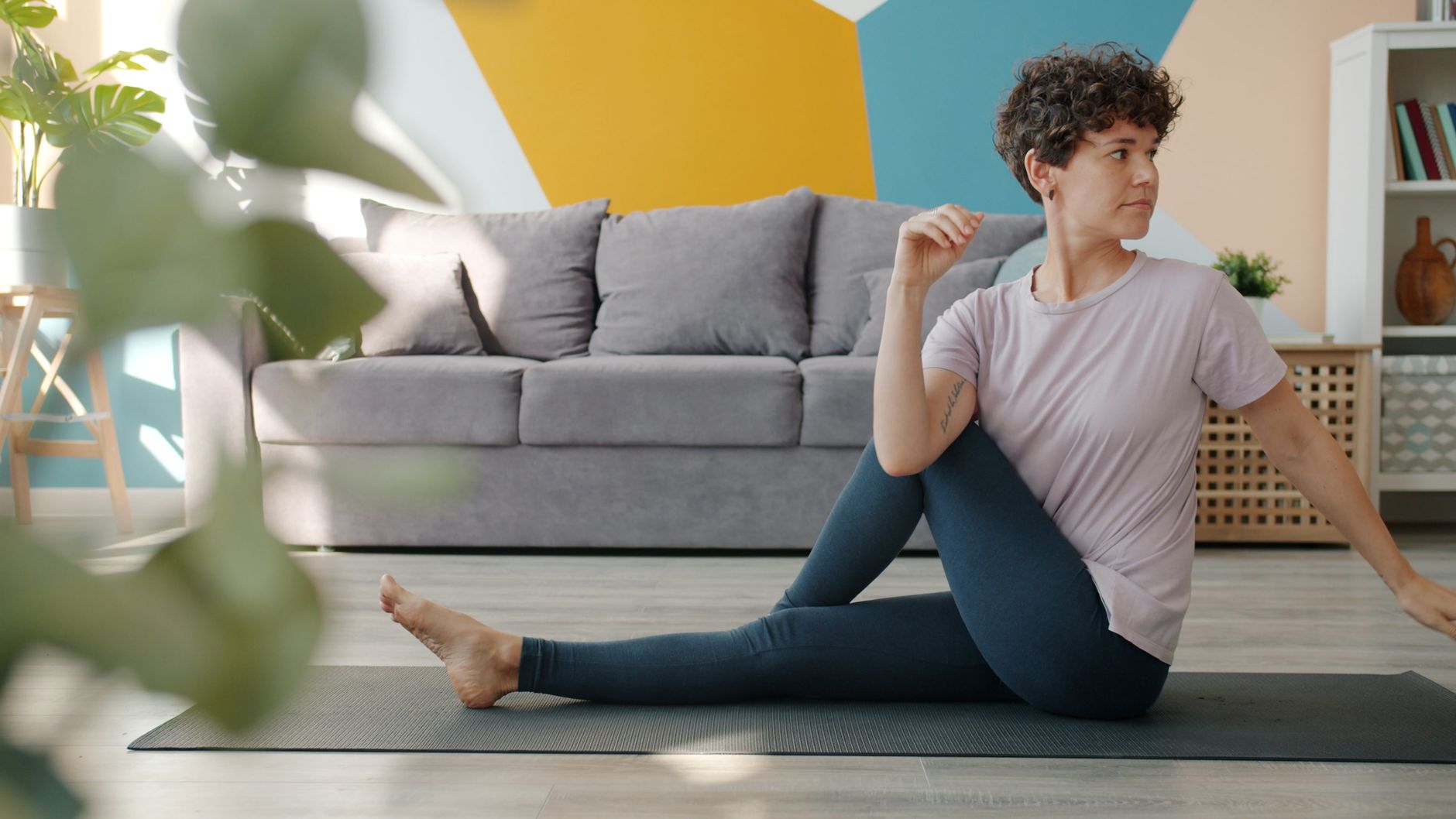
At-Home Wellness Tips from a Bucks County Chiropractor: Stretches, Posture Fixes, Sleep Positions & Desk Setups
*By Dr. Tony Gardner, Owner — Fairless Hills Chiropractic, serving Morrisville and Bucks County, PA*
---
As a chiropractor serving Morrisville and the greater Bucks County area, one of the most common things I hear from patients is: *"What can I do at home between appointments?"*
That's exactly the right question to be asking. Chiropractic care works best when it's supported by good daily habits — the way you sit, sleep, stretch, and set up your workspace all have a direct impact on your spine, your posture, and your overall wellbeing.
This guide is packed with practical, actionable tips you can start using today. Bookmark it, share it with a friend, and come back whenever you need a reminder. Your spine will thank you.
---
🧘 Section 1: Daily Stretches for a Healthier Spine
You don't need a gym or special equipment to keep your spine mobile and your muscles loose. These five stretches take less than 10 minutes and target the areas most commonly affected by modern lifestyles.
1. Cat-Cow Stretch (Thoracic & Lumbar Spine) **Best for:** Morning stiffness, lower back pain, general spinal mobility
**How to do it:**
- Start on your hands and knees with your wrists under your shoulders and knees under your hips.
- **Inhale** and drop your belly toward the floor, lifting your head and tailbone (Cow).
- **Exhale** and round your spine toward the ceiling, tucking your chin and pelvis (Cat).
- Move slowly and with your breath. Repeat 8–10 times.
> **Dr. Gardner's tip:** Do this first thing in the morning before you even get out of bed — just shift to the edge of the mattress and onto the floor. It wakes up the spine gently.
---
2. Doorway Chest Opener (Pectoral & Anterior Shoulder Stretch) **Best for:** Rounded shoulders, upper back tightness, desk posture correction
**How to do it:**
- Stand in a doorway and place both forearms on the door frame at a 90-degree angle.
- Step one foot forward and gently lean into the doorway until you feel a stretch across your chest and the fronts of your shoulders.
- Hold for 20–30 seconds. Repeat 2–3 times.
> **Dr. Gardner's tip:** If you work at a desk or spend a lot of time driving — which many Bucks County commuters do — your chest muscles are likely chronically tight. This stretch is a game-changer.
---
3. Chin Tuck (Cervical Spine Reset) **Best for:** Neck pain, forward head posture, headaches
**How to do it:**
- Sit or stand tall.
- Gently draw your chin straight back — like you're making a "double chin" — without tilting your head up or down.
- Hold for 5 seconds, release. Repeat 10 times.
> **Dr. Gardner's tip:** For every inch your head sits forward of your shoulders, it adds about 10 pounds of pressure to your cervical spine. The chin tuck is one of the simplest corrections you can make.
---
4. Supine Piriformis Stretch (Hip & Sciatica Relief) **Best for:** Sciatica, hip tightness, lower back pain radiating into the glutes or legs
**How to do it:**
- Lie on your back with both knees bent.
- Cross your right ankle over your left knee (like a figure-4).
- Gently pull your left thigh toward your chest until you feel a deep stretch in your right hip/glute.
- Hold 30 seconds. Switch sides. Repeat 2–3 times each.
> **Dr. Gardner's tip:** This is one of the most effective stretches for people experiencing sciatic nerve discomfort. Do it daily, especially if you sit for long periods.
---
5. Thoracic Extension Over a Foam Roller **Best for:** Mid-back stiffness, rounded posture, desk workers
**How to do it:**
- Place a foam roller horizontally on the floor.
- Sit in front of it and lean back so the roller is positioned at your mid-back (not your lower back or neck).
- Support your head with your hands and gently extend over the roller.
- Slowly move the roller up and down your mid-back, pausing where you feel tension.
- Spend 1–2 minutes on this area.
> **Dr. Gardner's tip:** A foam roller costs under $20 and is one of the best investments you can make for your spinal health. I recommend this to almost every patient I see.
---
🖥️ Section 2: Ergonomic Desk Setup Tips
Whether you work from home in Morrisville or commute to an office in Bucks County, most of us spend far too many hours sitting at a desk. Poor ergonomics are one of the leading causes of neck pain, back pain, and headaches that I see in my practice.
Here's how to set your workspace up the right way:
Monitor Height - The top of your monitor should be **at or slightly below eye level**. - If your screen is too low, you'll tilt your head forward and down — a major driver of neck pain and headaches. - Use a monitor stand, a stack of books, or an adjustable arm to raise it to the correct height.
Chair Setup - Adjust your chair so your **feet are flat on the floor** (or on a footrest). - Your **knees should be at roughly a 90-degree angle**, not higher than your hips. - Your **lower back should be supported** — use a lumbar support cushion if your chair doesn't have built-in lumbar support.
Keyboard & Mouse Position - Your **elbows should be at roughly 90 degrees** with your forearms parallel to the floor. - Keep your keyboard and mouse close enough that your arms aren't reaching forward or your shoulders aren't shrugging.
The 20-20-20 Rule (Bonus Eye & Posture Reset) - Every **20 minutes**, look at something **20 feet away** for **20 seconds**. - Use this as a trigger to also check your posture: sit up tall, roll your shoulders back, and do a quick chin tuck.
Standing Desk Tips - If you use a standing desk, alternate between sitting and standing every 30–60 minutes. - Wear supportive shoes or stand on an anti-fatigue mat. - Keep your monitor and keyboard at the same ergonomic positions described above.
> **Dr. Gardner's note:** I see a lot of patients in Bucks County who switched to working from home and suddenly developed new neck or back pain. In almost every case, the culprit is a poor home office setup. A few simple adjustments make a huge difference.
---
😴 Section 3: Best Sleep Positions for Your Spine
You spend roughly a third of your life sleeping. The position you sleep in — and the pillow and mattress you use — significantly affect your spinal health.
Best Position: On Your Back Sleeping on your back is generally the best position for spinal alignment. - Use a **pillow that supports the natural curve of your neck** — not too thick, not too flat. - Place a **pillow under your knees** to reduce lower back strain.
Second Best: On Your Side Side sleeping is fine for most people, especially those who snore or have sleep apnea. - Keep your **spine in a neutral, straight line** — don't curl into a tight fetal position. - Place a **pillow between your knees** to keep your hips, pelvis, and spine aligned. This is especially important if you have sciatica or hip pain. - Make sure your **head pillow fills the space between your shoulder and your head** so your neck isn't tilted up or down.
Position to Avoid: Stomach Sleeping Stomach sleeping is the hardest position on your spine. - It forces your neck to rotate to one side for hours at a time. - It flattens the natural lumbar curve and puts stress on the lower back. - If you're a habitual stomach sleeper, try placing a pillow under your pelvis and gradually transitioning to side sleeping.
Mattress Tips - A mattress that's **too soft** allows your hips to sink, misaligning your spine. - A mattress that's **too firm** creates pressure points at the hips and shoulders. - **Medium-firm** is generally the best option for most people with back or neck pain. - If your mattress is more than 7–10 years old and you're waking up stiff or sore, it may be time for a replacement.
> **Dr. Gardner's tip:** One of the first things I ask new patients is how they sleep and what kind of pillow they use. These details matter more than most people realize.
---
🧍 Section 4: Posture Fixes You Can Practice Right Now
Good posture isn't just about looking confident — it directly affects your spinal health, your breathing, your energy levels, and even your mood.
The Wall Test This is a quick way to check your posture: - Stand with your back against a wall, heels about 2–3 inches from the baseboard. - Your **heels, buttocks, shoulder blades, and the back of your head** should all touch the wall. - There should be a small gap (about the thickness of your hand) at your lower back. - If your head doesn't reach the wall without straining, you likely have forward head posture.
The Shoulder Roll Reset Do this anytime you catch yourself slouching: 1. Roll your shoulders **up** toward your ears. 2. Roll them **back** and down. 3. Gently squeeze your shoulder blades together. 4. Hold for 5 seconds, then relax.
Repeat 3–5 times throughout the day.
Strengthen Your Core Your core muscles — not just your abs, but the deep stabilizers of your spine — are the foundation of good posture. - **Dead bugs, bird dogs, and planks** are excellent core exercises that don't put excessive stress on the spine. - Even 10 minutes of core work 3–4 times per week can make a significant difference in how your back feels.
Be Mindful of Your Phone "Tech neck" is a real and growing problem. Every time you look down at your phone, you increase the load on your cervical spine dramatically. - Try to **bring your phone up to eye level** rather than dropping your head to look at it. - Set a reminder to check your neck position every time you pick up your phone.
---
🌿 Section 5: Simple Lifestyle Habits That Support Spinal Health
Beyond stretches and ergonomics, a few everyday habits can have a big impact on how your spine feels:
Stay Hydrated The discs between your vertebrae are largely made of water. Proper hydration helps them maintain their height and shock-absorbing ability. Aim for at least **half your body weight in ounces of water per day**.
Move Every Hour Prolonged sitting is one of the worst things for your spine. Set a timer to get up and move for at least **2–5 minutes every hour**. Walk around the block, do a few stretches, or just stand up and reset your posture.
Lift Correctly - **Bend at the knees**, not the waist. - Keep the object **close to your body**. - **Never twist while lifting** — pivot your feet instead. - This applies to grocery bags, laundry baskets, kids, and even light items.
Manage Stress Chronic stress causes muscle tension, particularly in the neck, shoulders, and upper back. Simple practices like **deep breathing, walking outdoors, or even 5 minutes of mindfulness** can reduce the physical toll stress takes on your body.
Eat an Anti-Inflammatory Diet Inflammation drives pain. Foods like **leafy greens, berries, fatty fish, olive oil, and turmeric** help reduce inflammation throughout the body, including in spinal tissues.
---
When to See a Chiropractor
These at-home tips are powerful — but they work best as a complement to professional care, not a replacement for it. You should consider scheduling an appointment if:
- Your pain has lasted more than a few days without improvement
- You have pain radiating into your arms or legs
- You're experiencing numbness, tingling, or weakness
- You've been in an auto accident or sports injury
- You're pregnant and experiencing back or pelvic pain
- You want a professional assessment of your posture and spinal alignment
---
Visit Us in Morrisville, PA — Serving All of Bucks County
At our practice in Morrisville, we help patients throughout Bucks County live with less pain and more vitality — through chiropractic adjustments, personalized rehabilitation plans, and exactly the kind of practical guidance you've found in this post.
Whether you're dealing with chronic back pain, recovering from an injury, or simply want to be proactive about your health, we're here to help.
📍 **Fairless Hills Chiropractic**
🌐 [fairlesshillschiropractor.com](https://fairlesshillschiropractor.com/)
📞 Call us to schedule your appointment today.
*Dr. Tony Gardner is a licensed chiropractor and owner of Fairless Hills Chiropractic, proudly serving Morrisville, Fairless Hills, and the greater Bucks County, PA community.*
---
*Save this post and share it with someone who could use a little spine TLC today!*
