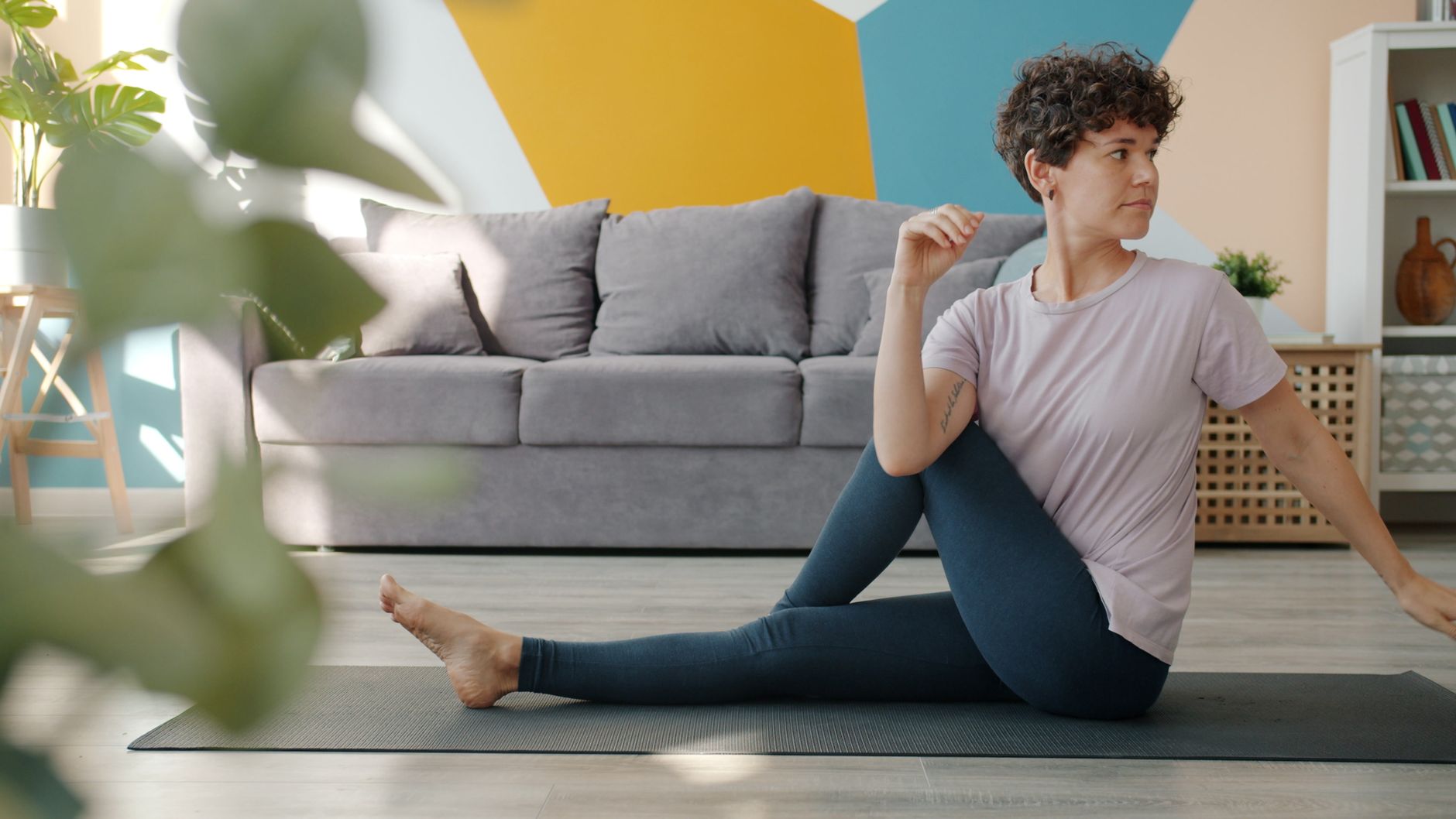
At-Home Wellness Tips From a Bucks County Chiropractor: Stretches, Posture Fixes, Sleep Positions & Desk Setups
You don't have to wait until pain becomes unbearable to take care of your spine. As a chiropractor serving Morrisville and the greater Bucks County area, I see patients every week who could have avoided weeks of discomfort with a few simple daily habits. The good news? Most of them are free, take less than ten minutes, and you can start right now.
This guide is something I genuinely want you to save and come back to. Bookmark it, screenshot it, share it with a coworker who complains about their neck every Monday morning. These are the same tips I give my patients in the office — now in one practical place.
---
🧘 Daily Stretches That Actually Make a Difference
Stretching isn't just for athletes or yogis. It's one of the most powerful tools you have for keeping your spine mobile, reducing tension, and preventing the kind of chronic tightness that turns into a real problem over time.
Here are my go-to stretches for the patients I treat in Bucks County:
1. Chin Tucks (Cervical Retraction) **Best for:** Neck pain, forward head posture, headaches
Sit or stand tall. Gently pull your chin straight back — like you're making a double chin — without tilting your head up or down. Hold for 5 seconds, release, and repeat 10 times.
This one is deceptively simple but incredibly effective. Most people with desk jobs have their head sitting 2–3 inches forward of where it should be. That adds up to 30+ extra pounds of stress on your cervical spine. Chin tucks help retrain that alignment.
2. Cat-Cow Stretch **Best for:** Lower back pain, spinal stiffness, morning soreness
Get on your hands and knees. On an inhale, drop your belly, lift your chest and tailbone (Cow). On an exhale, round your back toward the ceiling, tucking your chin and pelvis (Cat). Move slowly through 10 cycles.
This gentle motion lubricates the spinal joints and wakes up the muscles that support your lower back. I recommend this every morning before you even get dressed.
3. Doorway Chest Stretch **Best for:** Rounded shoulders, upper back tightness, posture correction
Stand in a doorway. Place both forearms on the door frame at a 90-degree angle. Step one foot forward and gently lean through the opening until you feel a stretch across your chest and the fronts of your shoulders. Hold 20–30 seconds.
Tight pectoral muscles are one of the biggest contributors to poor posture. This stretch opens them up and allows your shoulders to sit back where they belong.
4. Piriformis Stretch (Figure-Four Stretch) **Best for:** Sciatica, hip tightness, lower back pain
Lie on your back with both knees bent. Cross your right ankle over your left knee, forming a figure-four shape. Gently pull your left thigh toward your chest until you feel a stretch in your right hip and glute. Hold 30 seconds, then switch sides.
The piriformis muscle sits deep in the glute and can compress the sciatic nerve when it's tight. This stretch is something I recommend to almost every sciatica patient I see.
5. Thoracic Extension Over a Foam Roller **Best for:** Mid-back stiffness, desk posture, overall spinal mobility
Place a foam roller horizontally on the floor. Sit in front of it and lean back so the roller sits at your mid-back (not your lower back). Support your head with your hands and gently extend over the roller. Slowly move it up and down your thoracic spine.
This is one of the best things you can do for a stiff mid-back. It counteracts hours of forward flexion from sitting and screen time.
---
🪑 Posture Fixes You Can Make Right Now
Posture isn't about standing like a soldier. It's about keeping your body in a position that minimizes strain on your joints, muscles, and spinal discs over time. Here's what I tell my Morrisville patients:
Stop Crossing Your Legs It tilts your pelvis, rotates your spine, and can contribute to hip imbalances. Sit with both feet flat on the floor instead.
Keep Your Ears Over Your Shoulders When sitting or standing, imagine a straight line running from your earlobe down through your shoulder, hip, and ankle. That's neutral alignment. If your ears are in front of your shoulders, your head is forward — and your neck muscles are working overtime.
Don't Slouch Into Your Lower Back Many people sit with their pelvis tucked under, flattening the natural curve of the lumbar spine. Use a small lumbar roll or a rolled-up towel placed at the curve of your lower back to support that natural arch.
Take a Posture Break Every 30 Minutes Set a timer. Stand up, roll your shoulders back, take three deep breaths, and do 5 chin tucks. That's it. Thirty seconds every half hour can dramatically reduce cumulative spinal stress throughout the day.
---
🛏️ The Best (and Worst) Sleep Positions for Your Spine
You spend roughly a third of your life sleeping. That means your sleep position has a massive impact on your spinal health — for better or worse.
✅ Best: Side Sleeping With a Pillow Between Your Knees Sleeping on your side is generally the most spine-friendly position for most people. The key is keeping your spine in a neutral position. Place a firm pillow between your knees to prevent your top leg from pulling your lower spine into rotation. Your pillow height should fill the space between your ear and the mattress so your neck stays level.
✅ Also Good: Back Sleeping With a Pillow Under Your Knees Back sleeping can be excellent for spinal alignment — as long as you place a pillow under your knees. This takes pressure off the lumbar spine and allows it to rest in its natural curve. Use a cervical contour pillow to support the neck's natural curve rather than a thick, fluffy pillow that pushes your head forward.
❌ Avoid: Stomach Sleeping This is the one I ask patients to work on changing. Sleeping on your stomach forces your neck to rotate to one side for hours at a time, creating significant stress on the cervical spine. It also puts your lumbar spine into extension, which can aggravate lower back issues. If you're a die-hard stomach sleeper, try placing a thin pillow under your pelvis and gradually training yourself to side sleep.
Pillow Tips - Your pillow should support the natural curve of your neck, not prop your head up - Side sleepers generally need a firmer, higher pillow - Back sleepers do best with a medium-loft or contour cervical pillow - Replace your pillow every 1–2 years
---
💻 Ergonomic Desk Setups for Remote Workers and Office Employees
Bucks County has a huge population of remote workers, commuters, and office professionals — and I see the spinal consequences of poor desk setups every single week. Here's how to build a workspace that supports your body:
Monitor Height Your monitor should be at eye level or just slightly below. If you're looking down at a laptop screen all day, your head is in forward flexion for hours. Use a laptop stand and pair it with an external keyboard and mouse. The top of your screen should be roughly at or just below eye level.
Chair Height and Position - Feet flat on the floor (or on a footrest) - Knees at approximately a 90-degree angle - Hips slightly higher than knees, if possible - Lower back supported by your chair's lumbar support or a rolled towel - Elbows close to your body, forearms roughly parallel to the floor
Keyboard and Mouse Placement Keep your keyboard and mouse close enough that your elbows stay near your body. Reaching forward repeatedly strains the shoulder and upper back muscles. Consider a wrist rest to keep your wrists in a neutral position.
Screen Distance Your monitor should be about an arm's length away — roughly 20–28 inches from your face. Too close strains your eyes and pulls your head forward. Too far and you'll lean in.
Standing Desks If you have or are considering a standing desk, use it wisely. Alternating between sitting and standing every 30–60 minutes is ideal. Standing all day is not the goal — movement is. Wear supportive footwear and use an anti-fatigue mat.
The 20-20-20 Rule for Screen Fatigue Every 20 minutes, look at something 20 feet away for 20 seconds. This reduces eye strain and gives you a natural cue to check your posture and move a little.
---
🔄 Putting It All Together: A Simple Daily Routine
Here's a routine I recommend to my patients that takes about 10 minutes total:
**Morning (5 minutes)**
- Cat-Cow: 10 reps
- Figure-Four Piriformis Stretch: 30 seconds each side
- Chin Tucks: 10 reps
**During the Workday (1–2 minutes every 30 minutes)**
- Stand up
- Roll shoulders back
- 5 Chin Tucks
- 3 deep breaths
- Sit back down with good posture
**Evening (5 minutes)**
- Doorway Chest Stretch: 2 x 30 seconds
- Foam Roller Thoracic Extension: 2–3 minutes
- Set yourself up for a good night's sleep with proper pillow positioning
---
When At-Home Care Isn't Enough
These tips are genuinely powerful — and I encourage every Bucks County resident to use them consistently. But they're not a substitute for professional care when something is actually wrong.
If you're experiencing any of the following, it's time to come in:
- Pain that radiates down your arm or leg
- Numbness or tingling
- Sharp or stabbing back or neck pain
- Pain that doesn't improve after a week or two of self-care
- Pain following an auto accident, fall, or sports injury
- Recurring headaches
At my practice in Morrisville, I work with patients across Bucks County to identify the root cause of their pain and build a care plan that gets them better — and keeps them that way. Chiropractic adjustments, combined with the kinds of at-home habits outlined in this post, produce real, lasting results.
---
Ready to Take the Next Step?
If you've been living with nagging pain, stiffness, or discomfort — or if you just want to be proactive about your spinal health — I'd love to see you in the office.
**Dr. Tony Gardner** serves patients in Morrisville, Fairless Hills, and throughout Bucks County, PA.
📍 [Visit us at fairlesshillschiropractor.com](https://fairlesshillschiropractor.com/) to learn more or schedule your appointment.
*Save this post. Share it with someone who needs it. And start with just one stretch today — your spine will thank you.*
