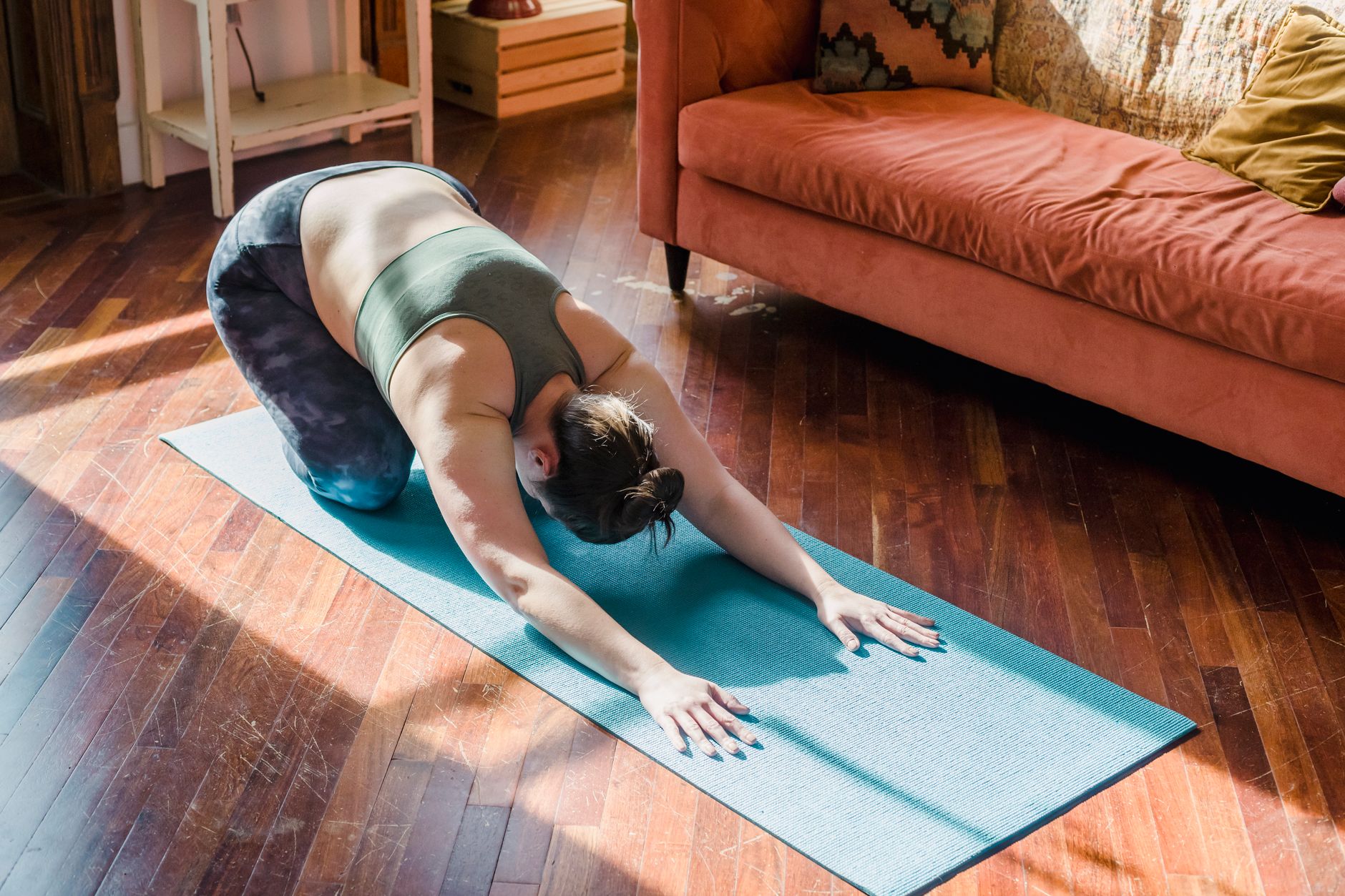
10 At-Home Wellness Tips from a Bucks County Chiropractor: Stretches, Posture Fixes & More
*By Dr. Tony Gardner, Owner — Fairless Hills Chiropractic | Serving Morrisville, PA and Bucks County*
---
As a chiropractor serving the Morrisville and greater Bucks County community, one of the most common things I hear from patients is: *"What can I do at home between visits?"*
That's exactly the right question to ask. Chiropractic adjustments are powerful — but what you do the other 23 hours of the day matters just as much. The good news? A few simple habits can dramatically reduce your pain, protect your spine, and help you feel better every single day.
Here are my top 10 at-home wellness tips that I personally recommend to my patients in Bucks County.
---
1. Start Your Morning With a Spinal Mobility Routine
Before you reach for your phone or jump out of bed, spend two to three minutes waking up your spine. Overnight, your spinal discs rehydrate and your joints stiffen slightly. A gentle morning routine helps lubricate those joints before you put full load on them.
**Try this 3-move morning sequence:**
- **Knee-to-chest stretch** — Lying on your back, pull one knee gently toward your chest and hold for 20–30 seconds. Switch sides. This releases the lower back and hip flexors.
- **Cat-cow stretch** — On hands and knees, alternate between arching your back toward the ceiling (cat) and letting it sag toward the floor (cow). Do 8–10 slow repetitions.
- **Thoracic rotation** — Lying on your side with knees bent, reach your top arm across your body and rotate your upper back open toward the ceiling. Hold 20 seconds per side.
This three-minute routine can make a noticeable difference in how your back feels all day.
---
2. Fix Your Desk Setup Before It Fixes You
If you work from home — or even in an office — your desk setup is either helping or hurting your spine every single day. Poor ergonomics are one of the leading causes of neck pain, upper back tension, and headaches I see in my Bucks County patients.
**Ergonomic desk checklist:**
- **Monitor height:** The top of your screen should be at or just below eye level. If you're looking down at a laptop, prop it up on books or a stand and use an external keyboard.
- **Chair height:** Your feet should rest flat on the floor, with your knees at roughly a 90-degree angle.
- **Lumbar support:** Your lower back should have gentle support — not be rounded outward. Roll up a small towel or use a lumbar pillow if your chair doesn't provide this.
- **Arm position:** Elbows should rest at approximately 90 degrees, with your shoulders relaxed — not hunched up toward your ears.
- **Screen distance:** Aim for about an arm's length away from your face.
Even a $0 fix like adjusting your chair height or raising your monitor can eliminate hours of daily strain.
---
3. Break Up Sitting Every 30–45 Minutes
The human body was not designed to sit for eight hours straight. Prolonged sitting compresses the lumbar discs, tightens the hip flexors, and weakens the glutes — a combination that often leads to low back pain and sciatica symptoms.
**Set a timer on your phone or computer** to stand up and move for two to three minutes every 30–45 minutes. You don't need to do a full workout — a short walk to the kitchen, a few standing hip circles, or a quick wall stretch is enough to reset your posture and relieve pressure on your spine.
I recommend this to nearly every desk worker who comes into my Morrisville office with chronic low back pain. It sounds almost too simple — but it works.
---
4. Learn the Hip Flexor Stretch (Your Back Will Thank You)
Tight hip flexors are one of the most overlooked contributors to low back pain. When you sit for long periods, the hip flexors shorten and pull the pelvis forward, creating an exaggerated lumbar curve and placing stress on the lower spine.
**The kneeling hip flexor stretch:**
1. Kneel on your right knee with your left foot forward (like a lunge position).
2. Keep your torso upright and gently push your hips forward until you feel a stretch in the front of your right hip.
3. Hold for 30 seconds. Breathe deeply.
4. Switch sides.
Do this stretch once in the morning and once in the evening. Over time, it can significantly reduce low back tension — especially if you spend a lot of time driving or sitting, which is common in Bucks County commuters.
---
5. Sleep in a Spine-Friendly Position
How you sleep has a major impact on how your back and neck feel in the morning. I see a lot of patients who wake up stiff or in pain — and often the culprit is their sleep position.
**Best sleep positions for spinal health:**
- **On your back with a pillow under your knees:** This is generally the best position for spine alignment. The pillow under the knees reduces stress on the lumbar spine.
- **On your side with a pillow between your knees:** This keeps the hips, pelvis, and spine in neutral alignment and is especially helpful for people with sciatica or hip pain.
**Positions to avoid:**
- **Stomach sleeping:** This forces your neck into rotation for hours and can strain the cervical spine. If you can't break the habit, try placing a pillow under your pelvis to reduce lumbar strain.
**Pillow height matters too.** Your pillow should keep your neck in a neutral position — not too high, not too flat. Side sleepers typically need a firmer, higher pillow than back sleepers.
---
6. Strengthen Your Core — the Right Way
When most people hear "core," they think crunches. But traditional crunches actually place significant load on the lumbar discs and can worsen back pain. True spinal stability comes from deep core muscles — particularly the transverse abdominis — that wrap around your spine like a natural corset.
**Spine-safe core exercises:**
- **Dead bug:** Lying on your back with arms extended toward the ceiling and knees bent at 90 degrees, slowly lower one arm and the opposite leg toward the floor while keeping your lower back pressed flat. Return and switch sides.
- **Bird dog:** On hands and knees, extend one arm and the opposite leg simultaneously, keeping your hips level. Hold 3–5 seconds. Alternate sides.
- **Plank (modified if needed):** Hold a forearm plank position, keeping your body in a straight line from head to heels. Start with 20 seconds and build up.
These exercises build the deep stability your spine depends on — without the risk that comes from high-load flexion movements.
---
7. Address Text Neck Before It Becomes a Bigger Problem
Look around any waiting room, restaurant, or school pickup line in Bucks County and you'll see it everywhere: heads tilted forward, eyes glued to phones. This posture — now commonly called "text neck" — places enormous strain on the cervical spine.
For every inch your head moves forward from its neutral position, the effective weight on your neck increases by roughly 10 pounds. A head tilted forward at 60 degrees can place up to 60 pounds of force on the neck.
**How to combat text neck:**
- Raise your phone to eye level instead of bending your neck down.
- Do chin tucks throughout the day: gently pull your chin straight back (like you're making a double chin) and hold for 5 seconds. Repeat 10 times. This re-trains cervical alignment.
- Stretch your chest and anterior neck muscles, which become shortened with forward head posture.
- Be mindful of your head position during any screen use — phone, tablet, or computer.
---
8. Use Ice and Heat Strategically
Patients often ask me: *"Should I use ice or heat?"* The answer depends on what you're treating.
**Ice (cold therapy):**
- Best for acute injuries — anything that happened within the last 48–72 hours.
- Reduces inflammation and numbs sharp pain.
- Apply for 15–20 minutes at a time with a cloth barrier between the ice and skin.
- Good for: recent muscle strains, acute flare-ups of back pain, new injuries.
**Heat (thermal therapy):**
- Best for chronic muscle tightness, stiffness, and tension.
- Increases blood flow and relaxes muscle spasms.
- Apply for 15–20 minutes. Never sleep with a heating pad.
- Good for: chronic low back tightness, stiff neck, muscle knots.
When in doubt, ice for the first 48–72 hours after any new pain or injury, then transition to heat if needed.
---
9. Hydrate — Your Spinal Discs Depend On It
This one surprises a lot of people: your spinal discs are largely made of water. The nucleus pulposus — the gel-like center of each disc — relies on adequate hydration to maintain its height, shock-absorbing capacity, and flexibility.
Chronic dehydration contributes to disc degeneration over time and can make existing back pain worse. Most adults need at least half their body weight in ounces of water per day (so a 160-pound person needs about 80 ounces).
**Practical hydration tips:**
- Start every morning with a full glass of water before coffee.
- Keep a water bottle visible on your desk as a reminder.
- Limit excessive caffeine and alcohol, both of which are dehydrating.
This is one of the easiest and most underutilized tools for spinal health.
---
10. Don't Wait Until You're in Pain to Take Care of Your Spine
This might be the most important tip on this list. Most people only think about their spine when something hurts. But spinal health — like dental health — is best maintained preventively.
Regular chiropractic check-ups, even when you're feeling fine, help catch small misalignments before they become bigger problems. Combined with the habits above, a maintenance care schedule can keep you moving well, reduce the frequency of flare-ups, and support your overall quality of life.
At my practice in Morrisville, I work with patients of all ages across Bucks County — from kids and teens to seniors, from desk workers to athletes to prenatal patients. The goal is always the same: help you feel your best and stay that way.
---
Ready to Take the Next Step?
If you've been dealing with back pain, neck pain, headaches, or just want to be proactive about your spinal health, I'd love to help. These at-home tips are a great foundation — but nothing replaces a personalized evaluation.
**Dr. Tony Gardner**
Fairless Hills Chiropractic
Serving Morrisville, PA and all of Bucks County
[Schedule your appointment today](https://fairlesshillschiropractor.com/)
---
*Save this post — it's one to come back to. And if you found it helpful, share it with a neighbor, coworker, or family member who could use a little spinal TLC.*
