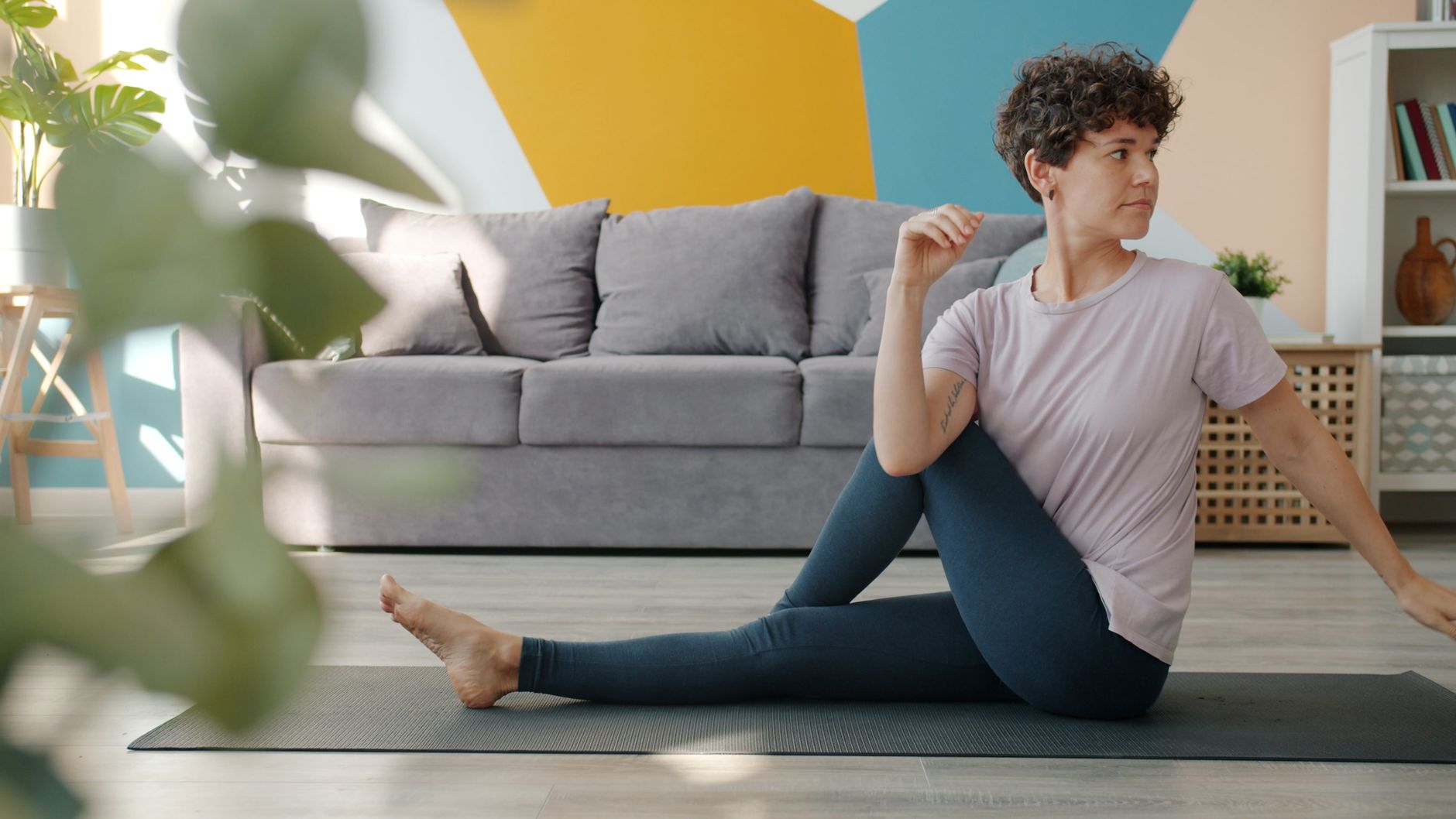
At-Home Wellness Tips From a Bucks County Chiropractor: Stretches, Posture Fixes, Sleep Positions & Desk Setups
*By Dr. Tony Gardner, Owner — Fairless Hills Chiropractic | Serving Morrisville, PA and Bucks County*
---
You don't have to be in pain to benefit from better habits. In fact, the patients I see in my Morrisville, PA office who make the fastest progress are usually the ones who take what we work on together and carry it into their daily lives at home.
Whether you're dealing with nagging back pain, stiff neck, tension headaches, or just want to move better and feel stronger — these at-home wellness tips are designed to help. Bookmark this page, share it with a friend, and come back to it often. Your spine will thank you.
---
🧘 Section 1: Daily Stretches That Make a Real Difference
Most people skip stretching because they think it takes too long or they're not sure what to do. Here are five stretches I recommend to almost every patient — they take less than 10 minutes and target the areas most prone to pain and tightness.
1. Cat-Cow Stretch (Spine Mobility) **Best for:** Morning stiffness, lower back pain, spinal flexibility
**How to do it:**
- Start on your hands and knees with your wrists under your shoulders and knees under your hips.
- Inhale and drop your belly toward the floor, lifting your head and tailbone (Cow).
- Exhale and round your spine toward the ceiling, tucking your chin and pelvis (Cat).
- Move slowly and repeat 8–10 times.
**Why it works:** This gentle movement lubricates the spinal joints and wakes up the muscles that support your back. It's one of the safest and most effective stretches for almost anyone.
---
2. Child's Pose (Lower Back & Hip Flexor Release) **Best for:** Lower back tension, hip tightness, stress relief
**How to do it:**
- From a kneeling position, sit your hips back toward your heels.
- Extend your arms forward on the floor and let your forehead rest down.
- Hold for 30–60 seconds, breathing deeply.
**Why it works:** Child's Pose gently decompresses the lumbar spine and stretches the hips and glutes — areas that get chronically tight from sitting.
---
3. Chin Tucks (Neck Alignment) **Best for:** Neck pain, forward head posture, headaches
**How to do it:**
- Sit or stand tall.
- Gently pull your chin straight back, as if making a "double chin."
- Hold for 3–5 seconds, then release.
- Repeat 10 times.
**Why it works:** This simple movement re-trains the deep cervical flexors and counteracts the forward head posture that comes from phone and screen use. It's one of the most underrated exercises I give patients.
---
4. Piriformis Stretch (Sciatica Relief) **Best for:** Sciatica, hip pain, glute tightness
**How to do it:**
- Lie on your back with both knees bent.
- Cross your right ankle over your left knee.
- Gently pull your left thigh toward your chest until you feel a stretch in your right hip/glute.
- Hold 30 seconds each side.
**Why it works:** The piriformis muscle sits deep in the glute and can compress the sciatic nerve when tight. This stretch is a go-to for anyone dealing with sciatica or radiating leg pain.
---
5. Doorway Chest Opener (Posture & Upper Back) **Best for:** Rounded shoulders, upper back pain, chest tightness
**How to do it:**
- Stand in a doorway and place your forearms on the door frame at a 90-degree angle.
- Step one foot forward and gently lean through the doorway until you feel a stretch across your chest and shoulders.
- Hold 20–30 seconds.
**Why it works:** Hours of sitting and screen time cause the chest muscles to shorten and the upper back to round. This stretch opens up the front of the body and helps restore natural posture.
---
🪑 Section 2: Posture Fixes You Can Start Today
Posture problems don't develop overnight — and they don't fix overnight either. But small, consistent corrections add up fast. Here's what I tell my Bucks County patients about improving posture at home and at work.
The "Wall Angel" Reset Stand with your back flat against a wall, feet about 4 inches out. Press your lower back, upper back, and head against the wall. Raise your arms to a "goalpost" position and slowly slide them up and down the wall. Do this for 60 seconds daily. It's a powerful postural reset that re-engages the muscles that hold you upright.
Stop Crossing Your Legs Crossing your legs while seated tilts the pelvis and creates uneven tension in the hips and lower back. Try sitting with both feet flat on the floor, hips at 90 degrees. If you catch yourself crossing — just uncross. Awareness is the first step.
The 20-20-20 Rule for Your Neck Every 20 minutes, take 20 seconds to look away from your screen and gently move your neck in slow circles or side-to-side. This prevents the deep muscle fatigue that leads to chronic neck pain and headaches.
Strengthen Your Core (It's Not About Abs) Your core is the foundation of good posture. You don't need a gym — try: - **Dead bugs:** Lie on your back, arms up, and slowly lower opposite arm and leg while keeping your lower back pressed to the floor. - **Bird dogs:** On hands and knees, extend opposite arm and leg while keeping your spine neutral. - **Glute bridges:** Lie on your back, feet flat, and press your hips to the ceiling. Hold 2–3 seconds.
These movements build the deep stabilizing muscles that keep your spine aligned all day long.
---
🛌 Section 3: The Best (and Worst) Sleep Positions for Your Spine
You spend roughly one-third of your life sleeping. The position you sleep in has a massive impact on your spinal health — and it's one of the most overlooked causes of morning pain and stiffness.
Best Sleep Positions
**✅ On Your Back (Best Overall)**
Sleeping on your back with a pillow under your knees is the gold standard for spinal alignment. It distributes your body weight evenly and keeps your spine in a neutral position. Use a medium-firmness pillow that supports the natural curve of your neck — not too high, not too flat.
**✅ On Your Side (Great with the Right Setup)**
Side sleeping is the most common position and can be excellent for your spine — *if* you do it right:
- Place a pillow between your knees to keep your hips, pelvis, and spine aligned.
- Keep your head pillow at the right height so your neck stays neutral (not angled up or down).
- Avoid curling into a tight fetal position — keep your body relatively straight.
Sleep Positions to Avoid
**❌ On Your Stomach**
This is the worst position for your spine. It forces your neck to rotate sharply to one side for hours and flattens the natural lumbar curve. If you're a stomach sleeper and you're dealing with neck or back pain — this is likely a major contributor. Try placing a pillow under your pelvis if you're transitioning away from this position.
Pillow Tips - Replace your pillow every 12–18 months. - For back sleepers: a contoured cervical pillow works well. - For side sleepers: a firmer, thicker pillow keeps your neck in line with your spine. - Avoid stacking multiple pillows — it pushes your head too far forward.
---
💻 Section 4: Ergonomic Desk Setup Tips (Work From Home & Office)
With so many Bucks County residents working from home or spending long hours at a desk, I see more desk-related injuries than ever. Here's how to set up your workspace to protect your spine.
Monitor Height Your screen should be at eye level — not above, not below. Looking down at a laptop for hours causes what we call "tech neck," which puts enormous strain on the cervical spine. A simple monitor stand or laptop riser can make a huge difference. Pair it with a separate keyboard and mouse.
Chair Setup - **Seat height:** Your feet should be flat on the floor, with your knees at approximately 90 degrees. - **Back support:** Use a chair with lumbar support, or place a small rolled towel or lumbar cushion in the curve of your lower back. - **Armrests:** Should allow your shoulders to relax — not shrug up or reach down.
Keyboard and Mouse Placement Keep your keyboard and mouse close enough that your elbows stay near your body, bent at about 90 degrees. Reaching forward for your mouse strains the shoulder and upper back.
The Standing Desk Option If you have or are considering a standing desk, use it wisely: - Alternate between sitting and standing — don't stand all day. - Use an anti-fatigue mat. - Keep your monitor at eye level even when standing. - Wear supportive footwear.
Take Movement Breaks No ergonomic setup replaces movement. Set a timer to stand, walk, or stretch for 2–3 minutes every 45–60 minutes. Even a short walk to the kitchen and back reduces spinal compression and improves circulation.
---
🌿 Bonus Tips: Small Daily Habits With Big Spinal Benefits
- **Stay hydrated.** The discs between your vertebrae are largely made of water. Dehydration contributes to disc degeneration over time. Aim for at least half your body weight in ounces of water daily.
- **Wear supportive footwear.** Flat, unsupportive shoes (especially flip-flops) alter your gait and affect your entire kinetic chain — including your spine.
- **Lift correctly.** Bend at the knees, keep the object close to your body, and never twist while lifting. This applies to grocery bags, laundry baskets, and kids.
- **Manage stress.** Chronic stress causes muscle tension — especially in the neck, shoulders, and upper back. Deep breathing, walking, and adequate sleep all help regulate your nervous system.
---
When At-Home Tips Aren't Enough
These tips are powerful — and I encourage every patient to use them consistently. But they work *best* alongside professional chiropractic care. If you're experiencing:
- Persistent back or neck pain
- Radiating pain, numbness, or tingling in your arms or legs
- Frequent headaches or migraines
- Pain that wakes you up at night
- Limited range of motion
...it's time to come in and get evaluated. Many of these symptoms point to spinal misalignments, disc issues, or nerve irritation that at-home stretches alone won't fully resolve.
---
Visit Dr. Gardner in Morrisville, PA — Serving All of Bucks County
At our Fairless Hills chiropractic office, we take a whole-person approach to your health. Whether you're dealing with an acute injury, chronic pain, or simply want to feel and move better — we're here to help.
We proudly serve patients from Morrisville, Fairless Hills, Levittown, Yardley, Newtown, Langhorne, and throughout Bucks County, PA.
📞 **Call us today to schedule your appointment or consultation.**
🌐 [fairlesshillschiropractor.com](https://fairlesshillschiropractor.com/)
*Save this post, share it with someone who needs it, and come back anytime you need a wellness reminder. Your spine is the foundation of everything — let's keep it strong.*
---
*Dr. Tony Gardner is a licensed chiropractor and owner of Fairless Hills Chiropractic, serving Morrisville, PA and Bucks County. This content is for informational purposes only and does not substitute for professional medical advice, diagnosis, or treatment.*
